



Key Takeaways:
- Control Over Ingredients: You decide exactly what goes into your supplements, avoiding unnecessary additives and hidden fillers.
- Simple Systems Work Best: A consistent, small-scale setup can outperform complex processes and make daily use sustainable.
- From Personal to Profitable: What starts as a personal routine can evolve into a trusted, transparent supplement business.
Creating your own supplement brand used to feel out of reach for most people. It sounded like something reserved for labs, large budgets, or companies with industry connections. But once you start looking closer at how supplements are actually made, the process becomes far more approachable.
We built Blated around that realization. After years of dealing with supplements that were filled with unnecessary additives and inconsistent quality, we started asking simple questions about what we were really taking. That led us to develop the tools and resources that make it easier to work with clean ingredients, build your own routines, and understand what goes into every capsule or serving. Today, our products are used by individuals, small businesses, clinics, and labs that all care about doing things the right way.
Why People Are Walking Away From Traditional Supplements
More people are starting to question what they are actually putting into their bodies. The supplement aisle looks clean and trustworthy on the surface, but a closer look tells a different story.
What’s Really Inside Most Supplements
Pick up almost any bottle, and you will see a long list of ingredients that have nothing to do with the supplement itself. Fillers, binders, artificial colors, and preservatives are often added to make manufacturing easier or cheaper, not to make them better for you. Most people assume they are paying for active ingredients, but in reality, a large portion of what they consume serves no real purpose.
The Illusion Of Quality In Big Brands
A polished label and a higher price tag do not always mean better quality. Many supplement companies source the same bulk powders from the same suppliers, then differentiate themselves through branding rather than formulation. It does not take much to launch a supplement line, which raises an uncomfortable question about how decisions are made around what goes into these products.
Why Control Matters More Than Ever
As awareness grows, so does the desire for transparency and control. People want to know where their ingredients come from, how much they are taking, and what is not included.

What It Really Means To Create Your Own Supplement Brand
The idea of building a supplement brand sounds complicated at first, and that is exactly what keeps most people from exploring it.
You Are Not Manufacturing From Scratch
Creating supplements does not mean developing new compounds or running a laboratory. Most people are sourcing existing powdered ingredients and combining them to suit their needs. This is the same process many companies follow, just without the unnecessary extras added along the way.
It’s About Assembling, Not Inventing
Our Ultimate Guide to Making Your Own Supplements covers it step by step. You are measuring, mixing, and preparing those powders into a usable form, like capsules or consumable portions.
Where The Term “Private Label” Falls Short
The traditional private-label supplements model relies on pre-made formulas that are rebranded and sold as unique products. While it may seem like an easy entry point, it removes control over ingredients and quality, and the broader ecosystem has its own complications, as covered in Why Capsule-Filling Machines are Banned from Etsy (& All Online Marketplaces).. Building your own approach from the ground up gives you a level of transparency that pre-packaged solutions cannot match.
Sourcing Ingredients Without Relying On Big Brands
Once people realize they do not need a large company to make supplements, the next question circles around where the ingredients actually come from.
Where Most Supplement Powders Come From
A large portion of the supplement industry relies on bulk suppliers, often overseas, that produce powders at scale and sell them to brands around the world. These ingredients are then repackaged, relabeled, and marketed as unique products. Without transparency, it becomes difficult to know how those ingredients were handled, stored, or processed before reaching you.
What To Look For In Raw Ingredients
When sourcing powders yourself, the focus shifts toward purity and simplicity. You are looking for single-ingredient products without added fillers or flavoring agents that can interfere with your formulation.
Building Trust Through Your Own Process
When you control sourcing, you also control consistency and quality over time. Instead of relying on a label to tell you what is inside, you develop your own system for selecting and handling ingredients. Then you tell your customers about this system so that they can trust you as a company that aligns with their values.
Turning Powders Into Usable Supplements
Once you have your ingredients, the next challenge is figuring out how to actually take them in a consistent and practical way. Raw powders are not always easy to work with, especially when taste and dosage are factors. This is where having the right tools and methods starts to matter:
Why Powder Form Is Not Always Practical
Most bulk supplements are sold as loose powders, which can be inconvenient for daily use. Measuring each dose manually can be inconsistent, and many powders have a strong or unpleasant taste, making them difficult to take regularly. Over time, this friction is what causes many people to fall out of their routine.
Using Capsule Filling Machines For Consistency
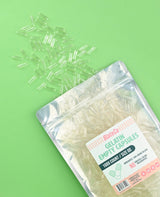
Capsules offer a more controlled, repeatable way to take supplements, especially when working with multiple ingredients. A capsule filling machine allows you to prepare batches at once, making it easier to maintain consistent dosing without measuring every single time. Our Full Beginner's Guide to Filling Your Own Capsules walks through the full process. If you're not sure which machine fits your setup, How to Choose a Capsule Filling Machine is a good place to start.
Solving The Taste Problem Without Additives
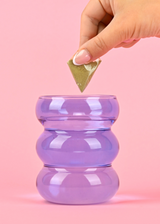
Taste is one of the biggest barriers when working with raw powders, and most conventional solutions involve mixing with flavored drinks or adding sweeteners. These methods often introduce the same unnecessary ingredients people are trying to avoid.For most users, Blate Papes® are the fastest and easiest way to take powders — a thin edible gel film that lets you take any powder without tasting a thing. If you do decide to sell your supplement in powder form, you can recommend Blate Papes® as the ingestion method, especially if the powder has a bitter taste.

Building A Simple, Repeatable Setup At Home
The goal is not to recreate a factory, but to create a system that is easy to repeat and maintain.
Creating A Clean And Organized Workspace
You do not need much space to get started, but you do need a setup that stays clean and consistent. A dedicated area, even if it is just part of a table, helps reduce contamination and keeps your process organized.
- Note: depending on your state, you may need to register with your state's department of health or agriculture as a food manufacturer, and you may be subject to facility inspections. Many states also have cottage food laws that allow home-based production of certain low-risk food items under specific conditions, including sales caps and labeling requirements. Requirements vary significantly — check with your state's food safety agency before you begin selling.
Establishing A Repeatable Routine
The real advantage of doing this yourself comes from repetition. Once you find a process that works, whether that is filling capsules in batches or preparing powders for daily use, sticking to that routine removes a lot of friction.
Managing Measurements And Accuracy
Consistency depends on accurate measurements, especially when working with multiple ingredients. Using a digital scale and understanding how different powders behave can make a noticeable difference in your results. Tools like our Capsule Size Calculator or Capsule Formulation Tool can help you avoid underfilling or overpacking without relying on guesswork.
From Personal Use To Selling Online
For many people, what starts as a personal routine eventually turns into something others become interested in. Turning that into a small business is less about scaling fast and more about staying consistent with what made it work in the first place:
Knowing When You’re Ready To Sell
There is a point where your process feels stable enough that you can repeat it without second-guessing each step. It’s when your formulations are consistent, your workflow is reliable and built around the right tools for your volume and setup, and you understand the ingredients you are using. That’s usually when people are ready to start a small-scale supplement business without overcomplicating things. Check out our piece on the 7 Best Capsule Filling Machines of 2026 for the best fit based on your setup.
Packaging And Presentation Without The Gimmicks
Good packaging does not need to be flashy to be effective. Clear labeling, simple containers, and honest ingredient lists go much further than bold claims or exaggerated branding.
Building Trust Through Transparency
Trust becomes your strongest advantage when you are not hiding behind a label. Being open about where your ingredients come from, how you prepare them, and what people can realistically expect creates a different kind of relationship with your customers.

Final Thoughts
You do not need a large operation to build a supplement brand worth trusting. Source clean ingredients, build a repeatable process, and be transparent about both. That is what separates a brand people return to from one they forget after one order.
Frequently Asked Questions About How To Create Your Own Supplement Brand
Can you legally create your own supplement brand from home?
Yes, but it depends on how you operate. Making supplements for personal use is generally straightforward, while selling them requires following local regulations on labeling, safety, and manufacturing practices. It is important to check your country or state requirements before offering products to others.
Do you need certifications or a license to sell supplements online?
In many cases, you do not need formal certifications to begin, but you are responsible for compliance. This includes accurate labeling, avoiding medical claims, and following basic safety standards. In the US, dietary supplement manufacturers are also subject to FDA Current Good Manufacturing Practice regulations regardless of business size. As you grow, additional certifications can help build trust, but consulting a compliance professional before you start selling is the safest first step.
How much does it cost to create your own supplement brand?
The cost can vary widely depending on your approach. Starting with raw powders and simple tools is significantly more affordable than ordering pre-made products in bulk. Many people begin with a small budget and scale gradually as they refine their process.
Is making your own supplements actually safer than buying them?
It can be, but only if you source high-quality ingredients and handle them properly. The advantage is that you know exactly what is included and can avoid unnecessary additives. The responsibility, however, is entirely on you to maintain cleanliness and accuracy.
What types of supplements are easiest to start with?
Single-ingredient powders such as greens, mushroom extracts, or amino acids are often the easiest to work with. They require less formulation knowledge and make it simpler to measure and prepare consistent servings. Starting simple allows you to build confidence before combining ingredients.
How do you price your supplements if you decide to sell them?
Pricing usually depends on ingredient cost, time, packaging, and perceived value. Many small brands focus on transparency rather than heavy markups, which appeals to customers who are already skeptical of mainstream products. Keeping pricing fair can become part of your brand identity.
Can one person realistically manage a small supplement brand?
Yes, especially in the early stages. With a streamlined process and the right tools, one person can handle sourcing, preparation, and packaging. Growth often comes from refining that system rather than expanding too quickly.

