If you have ever looked into making your own supplements, you quickly realize that the tools matter just as much as the ingredients. A capsule filler turns loose powder into a consistent, easy-to-take, repeatable product day after day. Without the right setup, DIY supplementing can feel messy, inaccurate, and frustrating.
At its core, capsule filling is about control. You decide what goes in, how much goes in, and how often you take it. That is why more people are moving away from pre-made capsules and toward tools that let them work directly with powders. Whether you are filling a few capsules for personal use or preparing larger batches, the right equipment removes guesswork and wasted effort.
This guide is focused on helping you understand capsule fillers and the accessories that support them. We will walk through how these tools fit into a clean DIY supplement routine, what separates quality equipment from disposable options, and how to choose tools that actually make the process easier rather than more complicated.
Why DIY Supplementing Starts With A Capsule Filler
DIY supplementing is not just about buying powders in bulk. It is about creating a system that is consistent, repeatable, and easy to stick with over time. A capsule filler is usually the first tool people reach for because it turns a loose, messy process into something structured and reliable:
Control Over Ingredients And Dosage
When you use a capsule filler, you are deciding exactly what goes into each capsule and how much. There are no fillers, binders, or surprise ingredients added along the way. This level of control is one of the main reasons people move away from store-bought supplements and toward DIY methods (Frontiers in Pharmacology, 2022).
Consistency Beats Guesswork
Scooping powder by hand might work once or twice, but it rarely stays accurate. A capsule filler helps ensure each capsule is filled evenly, which matters if you are taking something daily. This consistency is what separates intentional DIY supplementing from casual experimentation.
A Better Starting Point Than A Pill Filler
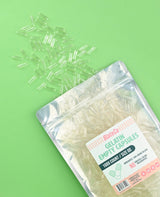
Many people begin their search looking for a pill filler, only to realize that pills are already manufactured products. DIY supplementing starts earlier in the process, with empty capsules and raw powders. That is where a capsule filler fits naturally, giving you control before anything is pressed or packaged.
Capsule Filler vs. Pill Filler: What Most People Get Wrong
People often use these terms interchangeably, but they describe very different tools and processes. Understanding the distinction helps avoid wasted money and frustration early on. Knowing where a capsule filler fits compared to a pill filler clarifies how DIY supplementing actually works:
Pills Are Manufactured, Capsules Are Assembled
A pill filler is associated with tablets that are pressed, bonded, and formed using industrial equipment. Pills require binders and compression, which puts them closer to factory-style supplement production. DIY supplementing usually skips this step and focuses on assembling capsules instead. For this reason, the phrase “pill filler” is basically a contradiction: You don’t technically fill pills. You press them into shape with a press-type machine. Typically though, when someone searches for the term pill filler, what they mean to search for is a capsule filler.
Capsules Support Simpler, Cleaner DIY Routines
Capsules are made to hold powder without pressing or altering it. Using a capsule filler lets you work directly with raw ingredients, which aligns better with clean supplement goals. This is why capsules are far more practical than pills for at-home use. Unlike tablets, which require binders and compression equipment to form, capsules allow powders to remain in their original state without modification, giving home users the same control that researchers emphasize when designing clean, additive-free supplement protocols (Journal of Clinical Pharmacology, 2022).
Why Most DIYers Never Need A Pill Filler
If your goal is control, flexibility, and minimal additives, a pill filler (or pill/tablet press) does not make much sense. Capsules already solve the problems pills were designed to address in manufacturing settings. The lowest cost tablet press available anywhere is about $1,500 and requires many unhealthy additives to hold the ingredients together. For most people making their own supplements, capsules are the simpler and more realistic option.
How a Capsule Maker Fits Into A Clean Supplement Routine
Once you decide to work with powders directly, the goal becomes reducing friction and mental load. A clean supplement routine should feel simple enough to repeat without overthinking it. This is where a capsule maker becomes part of a system rather than just a tool:
Turning Bulk Powders Into Daily Habits
Bulk powders are affordable and flexible, but they are not always convenient. A capsule maker lets you prepare capsules in advance, so your supplements are ready when you need them. This makes it easier to stay consistent without measuring powders every day.
Reducing Mess And Decision Fatigue
Loose powders spill, clump, and create small decisions each time you use them. Using a capsule maker simplifies the process into a repeatable routine with fewer variables. Over time, this reduction in effort helps people stick with supplementation longer.
Supporting Cleaner Inputs Without Additives
Capsules let powders remain in their original form without the need for flavors, sweeteners, or binders. This approach to minimal processing aligns with broader calls in supplement science for greater methodological rigor and standardization in how ingredients are handled before and after encapsulation (American Journal of Clinical Nutrition, 2025).
From Powder To Precision: Inside The Encapsulation Machine Process
Turning powder into capsules is not complicated, but it does require structure. An encapsulation machine brings order to what would otherwise be an uneven and frustrating process. Understanding how this process works helps explain why the right equipment makes such a big difference:
Aligning Capsules For Accuracy
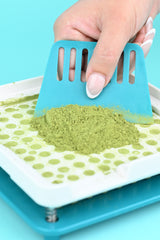
An encapsulation machine starts by aligning empty capsule halves into rows to be held in place so they can be filled evenly. This alignment enables dozens to hundreds of capsules to be prepared at the same time. Without this step, accuracy and consistency quickly break down.
Distributing Powder Evenly
Once the capsules are held in place, the powder is poured, spread and guided into each one. A well-designed encapsulation machine helps ensure the powder settles consistently instead of clumping or overflowing, a concern that mirrors the broader challenge of achieving uniform dosages when filling with multiple ingredients at one time (Frontiers in Pharmacology, 2022).
Closing Capsules Cleanly And Securely
After filling, the capsules need to be closed without cracking or deforming them. The encapsulation machine applies even pressure so each capsule seals properly. This creates capsules that are easy to store, transport, and take later.
What To Look For In A Capsule Filling Kit (Quality Actually Matters)
Not all tools are built with real use in mind. A capsule filling kit can either simplify your routine or create new problems if quality is overlooked. Knowing what matters helps you choose equipment that lasts and performs consistently:
Clean Materials And Thoughtful Design
A capsule filling kit should be made from materials that are safe to use around supplements and easy to clean. Surfaces that contact powder should avoid unnecessary dyes or coatings — details that reflect the same principles of contamination prevention and measurement integrity that inform professional supplement quality standards (Journal of Clinical Pharmacology, 2022).
Ease Of Use For Beginners And Repeat Users
Good tools should not require constant adjustment or troubleshooting. An intuitive capsule filling kit makes it easier to build confidence early on. This is especially helpful if you are new and following resources like the Beginner's Guide to Filling Your Own Capsules for your first batches.
Built To Support Repeated Use
Some low-quality kits work once or twice and then degrade quickly. A well-made capsule filling kit is designed to handle repeated batches without losing alignment or stability. This reliability is what turns a one-time experiment into a long-term routine.
Why Blated Capsule Fillers Are The Best Choice For DIY Supplements
Choosing equipment is not just about filling capsules. It is about trusting the tools you use over and over again with ingredients that matter to you. This is where thoughtful design, real experience, and education come together:
Designed By People Who Actually Fill Capsules
We build capsule fillers based on real use, not assumptions. Every design choice comes from filling capsules ourselves and fixing the problems other machines create. If you are new to the process, start with a strong foundation. Learning how to make your own supplements helps everything click faster.
Built For Accuracy, Cleanliness, And Longevity
Our capsule fillers are designed so that only clean, neutral materials come into contact with your ingredients. This supports better hygiene and easier cleaning over time. Pairing the machine with tools like the Capsule Formulation Tool helps ensure your batches are not just consistent, but intentional. This is vital for those users who want to make capsules using more than just one single ingredient.
Supported by Tools That Remove Guesswork
DIY supplementing should feel clear, not confusing. That is why we provide resources that help you choose the right capsule size and batch setup, including our Capsule Size Calculator. When your tools work together, the entire process becomes simpler and more reliable.
Final Thoughts
DIY supplementing works best when your tools align with how you actually live. A capsule filler creates structure, but it is the surrounding choices that determine whether the process feels sustainable or frustrating. When people struggle, it is often because they tried to force the process with the wrong expectations or the wrong equipment.
Many newcomers start by searching for a pill filler, then realize pills are not designed for at-home supplement routines. Others experiment with a capsule maker without understanding how consistency and workflow affect long-term use. Over time, it becomes clear that an encapsulation machine is not about speed alone, but about accuracy and repeatability. The same is true for choosing a capsule filling kit that holds up across repeated batches rather than wearing out after a few uses.
The goal is not perfection. It is clarity. When your tools match your intentions, supplementing becomes easier to manage and easier to trust. With the right setup, a capsule filler stops being a project and starts being part of a simple, dependable routine.
Sources:
- Durazzo, A., Sorkin, B. C., Lucarini, M., Gusev, P. A., Kuszak, A. J., Crawford, C., Boyd, C., & others. (2022). Analytical challenges and metrological approaches to ensuring dietary supplement quality: International perspectives. Frontiers in Pharmacology, 12. https://doi.org/10.3389/fphar.2021.714434
- Grundmann, O., Kumar, P., & Rogge, M. (2021). Regulation of dietary supplements and nutraceutical products in the United States: An argument for greater oversight and uniform standards. Journal of Clinical Pharmacology, 62(1), 14–16. https://doi.org/10.1002/jcph.1982
- Pasiakos, S. M., Kuszak, A. J., & others. (2025). Strengthening dietary supplement research: An expanded priority for the NIH Office of Dietary Supplements. American Journal of Clinical Nutrition, 2025. https://doi.org/10.1016/j.ajcnut.2025.04.001